
Fall Leaves and Storm Drains: Preventing Yard Flooding

  Fall Leaves and Storm Drains: Preventing Yard Flooding Fall brings two things that can quickly spell trouble for homes with storm-drain systems: leaf drop and frequent rain. When leaves, twigs, and yard debris collect in or near storm drains, they can slow water flow, raise local water levels, and push runoff toward driveways, basements, and low-lying yards.   Preventing that buildup is usually easier—and cheaper—than responding after water enters the home or saturates soil. With a few routine steps timed to autumn weather, homeowners can keep drainage paths clear and reduce the odds of flooding during downpours.   Why yard flooding happens in autumn   Storm drains are designed to move rainwater away from homes, but they rely on unobstructed flow. Leaves can form mats that trap additional debris, while wet conditions make piles heavier and harder to clear. Even partial blockage can redirect runoff to curb cuts, garden beds, or foundations.   ... Read more »

Unclogging a Kitchen Sink Drain: A Step-by-Step Guide


Unclogging a Kitchen Sink Drain: A Step-by-Step Guide


When your kitchen sink drain clogs up, it can quickly turn meal prep into a hassle. Here's a quick rundown of the process and tools plumbers rely on to get that water flowing again.


1. Diagnosing the Clog

 Before jumping in, DoctorDrain plumbers identify where the blockage is. Is it in the drain, trap, or further down the pipe? Knowing this helps choose the right approach.


 2. Essential Tools for the Job

- Plunger:

 The first line of defense. A plunger can create the suction needed to dislodge clogs close to the surface.

- Drain Snake (or Auger):

 For clogs that resist plunging, a drain snake is next. This flexible tool can navigate through bends in the pipe, breaking up or pulling out stubborn debris.

- Plumbing Wrench:

For access to the P-trap (the U-shaped pipe beneath the sink), a wrench is a must. This trap often catches food particles, grease, and grime.

- Bucket and Towels:

 These keep things clean by catching any water and debris from the pipes below.

- Baking Soda and Vinegar (Optional):

 This natural cleaning combo can help break down minor blockages and is safe for most plumbing systems.


3. The Process

 - Step 1: Plunge. If the clog is minor, a few pumps can often get things flowing.

- Step 2: Clear the Trap. If plunging fails, the P-trap might be the culprit. Plumbers detach it and inspect for blockages, carefully removing any debris.

- Step 3: Snake the Drain. If the clog is deeper, they’ll use a drain snake to reach and break up the obstruction.

- Step 4: Rinse and Test. After clearing the clog, they’ll run water to ensure it’s draining smoothly and check for leaks before reassembling everything.


Got a clogged kitchen sink? You know whom to call !

DoctorDrain has the tools and expertise to clear it fast, so you can get back to cooking and enjoying valuable family dinner time. Let us handle the mess, and bring the flow back to your kitchen!
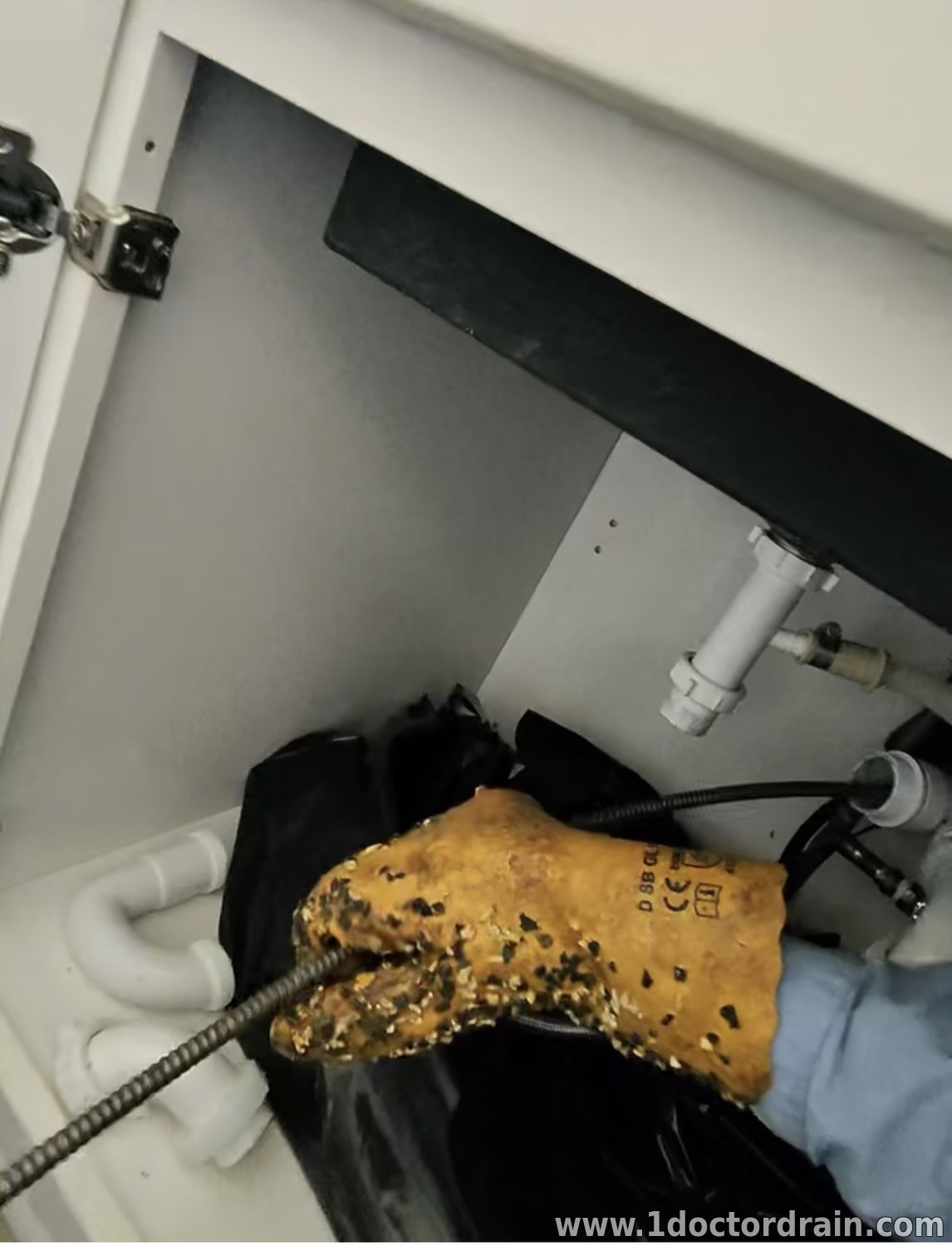
 

Unclogging a Kitchen Sink Drain: A Step-by-Step Guide

Comments

Popular posts from this blog

When Your Drains Demand Attention, Doctor Drain is Her

  When Your Drains Demand Attention, Doctor Drain is Here   Drains often fade into the background—until they don’t. A slow-draining sink, a backed-up shower, or that unwelcome sewer odor can quickly disrupt your daily routine. These issues may seem minor at first, but if left unchecked, they can escalate into major plumbing emergencies. That’s where Doctor Drain comes in. Our state-of-the-art technology and expertise ensure that your drain issues are diagnosed and resolved with precision and efficiency.   Cutting-Edge Inspections with 100% Accuracy   At Doctor Drain, we pride ourselves on utilizing the latest innovations in drain and sewer system diagnostics. Our inspections start with advanced Snake camera technology, allowing us to capture crystal-clear visuals of your drain system. With the addition of modern locating tools, we can pinpoint the exact location and nature of any problem, eliminating the need for guesswork or unnecessary digging.   Whether ...

What Happens When Your Pipes Get Frozen ?

  The Domino Effect of Frozen Pipes What Happens When Your Pipes Get Frozen ?   Winter in Lincolnshire, IL, can be breathtakingly beautiful, with snow-draped trees and frosty mornings. But for homeowners, the freezing temperatures often come with a hidden hazard—frozen pipes. At Doctor Drain, we’ve seen firsthand how a simple freeze can spiral into a costly plumbing emergency. Let’s walk you through what happens when pipes freeze, why it’s a problem, and how Doctor Drain can save the day.   A Chilling Situation in Lincolnshire   It was a frigid January morning when a Lincolnshire homeowner, Mrs. Taylor, woke up to a nightmare. Her kitchen faucet was dry, and an unusual bulge in the basement wall hinted at trouble. Alarmed, she called Doctor Drain, knowing we’re the experts trusted by her neighbors for everything from frozen pipes to clogged drains.   When our technician arrived, he used advanced plumbing tools, including thermal imaging and camera video inspecti...

Why Is My Kitchen Sink Always Clogged? | Doctor Drain Explains

  Why Is My Kitchen Sink Always Clogged? | Doctor Drain Explains   If you’re tired of constantly battling a clogged kitchen sink, you’re not alone. At Doctor Drain, we receive countless calls from homeowners asking, “Why does my kitchen sink always clog?” This common problem can stem from a variety of issues, but the good news is that with the right help, you can stop the cycle of constant clogs.   Common Reasons Your Kitchen Sink is Always Clogged 1. Grease Build-Up in Your Pipes One of the most common causes of a clogged kitchen sink is grease. Even if you run hot water while washing dishes, grease can solidify inside your pipes, leading to stubborn blockages. Searching for “how to unclog a kitchen sink” or “kitchen sink plumber near me” often brings homeowners to Doctor Drain for professional help. 2. Food Scraps Down the Drain Food particles are another frequent culprit. Whether it’s pasta, rice, or coffee grounds, these items don’t break down easily and can clog your...