How Tree Roots Intrude Pipes and What to Do Tree roots don’t usually “attack” pipes on purpose—they respond to conditions. When underground plumbing offers moisture, nutrients, or a pathway through damage, roots can grow toward it, eventually entering via cracks, joints, or aging infrastructure. Root intrusion is a common cause of clogged drains and sewer backups , particularly in older neighborhoods where pipe materials, installation methods, and repair histories vary. Once roots enter, they can snag on surfaces, continue expanding, and further narrow the flow. Why roots target pipes Trees grow toward water, and leaking lines provide a steady supply. Even if the main pipe isn’t actively leaking, damp soil around joints can attract roots. In many cases, a combination of small leaks, condensation, or wet backfill creates a “watering” hotspot underground. Roots also seek oxyge ... Read more »
Sewage Ejector Pump Services – Keep Your Basement Safe with Doctor Drain
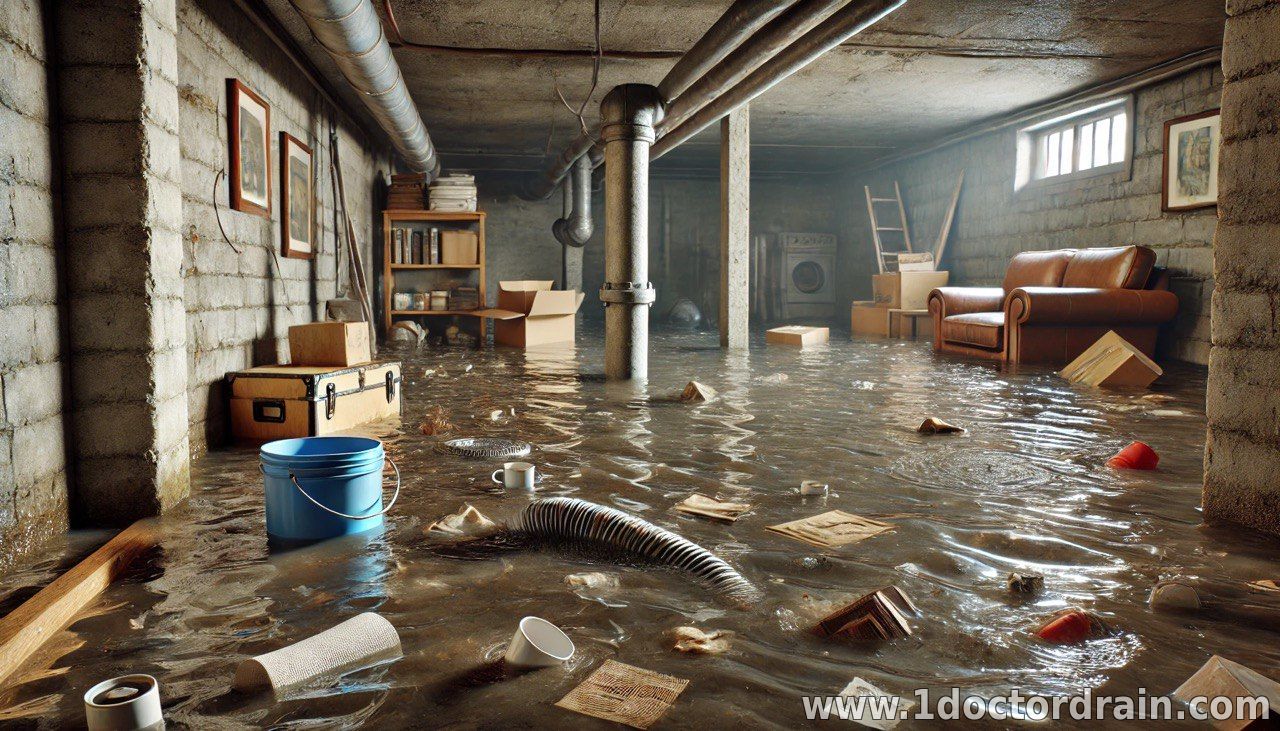
If you have a bathroom or laundry area in your basement, you probably rely on a sewage ejector pump to handle the wastewater and prevent it from backing up. When it works properly, your ejector pump quietly sends wastewater from below-ground drains up to the main sewer line, keeping everything clean and dry. However, when things go wrong, your basement can quickly turn into a messy, unsafe space, with problems like a flooded basement, a clogged drain, or even contaminated water rising through the floor drain. At Doctor Drain, we’re experts in installing, repairing, and maintaining sewage ejector pumps so that you can rest easy knowing your system is in top shape.
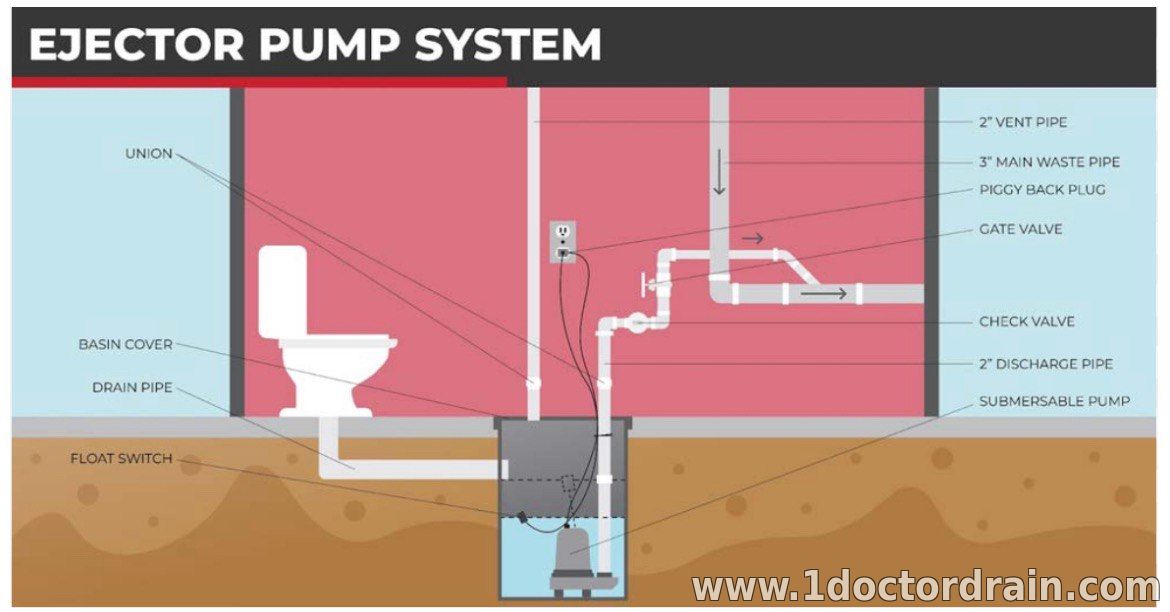
What Is a Sewage Ejector Pump?
A sewage ejector pump, or “ejector pump,” is a device designed to lift wastewater from lower levels of your home—like basements—up to the main sewer line. Without it, wastewater from sinks, toilets, and appliances in the basement would have no way of reaching the sewer line, which typically runs at a higher level. Ejector pumps handle both gray water and black water, making them a critical part of your basement plumbing system.
Why Is My Basement at Risk?
If your sewage ejector pump breaks down or gets clogged, wastewater has nowhere to go. This can lead to a flooded basement, often contaminated with dirty water. This isn’t just unpleasant; it poses serious health risks as contaminants and bacteria make their way through your home. When contaminated water backs up into your basement, it can damage furniture, walls, and floors, often requiring costly repairs and replacements. A broken ejector pump can also lead to foul odors and unsanitary conditions, making it essential to address problems promptly.
Signs of Sewage Ejector Pump Problems
To avoid a flooded basement or contaminated water exposure, keep an eye out for these warning signs that your ejector pump might need attention:
1. Frequent Clogs in Drains: If you’re dealing with a clogged drain more often than usual, it may be a sign of trouble in the ejector pump or the piping.
2. Slow Floor Drains: If water is slow to go down your floor drain or backs up, there’s a chance the pump isn’t working as it should.
3. Foul Smells: A foul odor is often one of the first signs of ejector pump issues. Bad smells in the basement can indicate a leak, clog, or contamination.
4. Unusual Noises: Grinding, whining, or other unusual noises can signal a broken pump or worn parts needing repair.
5. Water Backing Up: If water backs up from your floor drain, it may mean that your ejector pump isn’t pumping wastewater to the sewer line correctly.
Common Causes of Ejector Pump Failure
Improper use and maintenance can lead to ejector pump failure. Here are some of the main causes of pump issues:
• Flushing Inappropriate Items: Ejector pumps are designed to handle wastewater and soft solids, but they can be damaged by items like paper towels, napkins, tampons, diapers (pampers), and other hygiene products. These items can easily clog the pump and prevent it from working.
• Aging or Worn-Out Pumps: Just like any other piece of equipment, ejector pumps wear down over time. If your pump is older, it might be time for a replacement or upgrade to a high-quality Zoeller pump that’s built to last.
• Improper Installation: If the pump wasn’t installed properly, it might not work efficiently or could lead to early breakdowns. That’s why hiring a skilled plumber to install and service your ejector pump is essential.
Why Choose Doctor Drain?
At Doctor Drain, we’re committed to protecting your home and keeping your basement safe from the dangers of contaminated water and basement flooding. We specialize in all aspects of sewage ejector pump care, including:
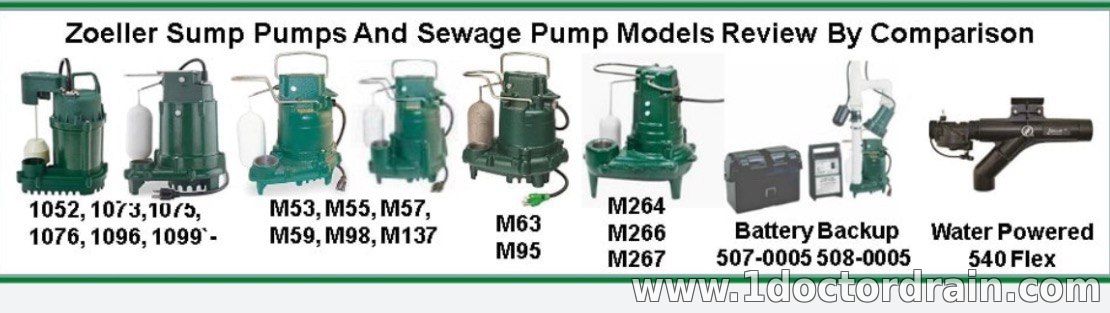
• Installation: We install reliable, durable ejector pumps from trusted brands like Zoeller. Zoeller pumps are known for their durability and ability to handle demanding jobs, making them an excellent choice for ejector pump replacement.
• Maintenance and Cleaning: Routine maintenance can extend the life of your ejector pump and prevent unexpected failures. We’ll inspect your pump, check for any clogs, clean out debris, and ensure all components work properly.
• Repairs: Our team can quickly diagnose and repair issues, whether it’s a clogged toilet caused by a blocked pump or a broken ejector pump motor. We work efficiently to restore your system to peak performance.
• Replacement: When it’s time to upgrade, we offer high-quality replacement options and expert installation services to keep your basement protected for years to come.
Tips for Avoiding Sewage Ejector Pump Problems
To keep your ejector pump working effectively and your basement safe from a clogged drain or contaminated water, follow these simple tips:
1. Avoid Flushing Problem Items: Only flush wastewater, toilet paper, and human waste. Items like paper towels, napkins, tampons, pampers, and other hygiene products should go in the trash, not the toilet.
2. Schedule Regular Maintenance: Having a professional inspect and maintain your pump can help you catch small issues before they turn into big, expensive problems.
3. Watch for Signs of Trouble: Don’t ignore strange smells, noises, or backups. Addressing these issues early can prevent a flooded basement and expensive repairs.
4. Use High-Quality Pumps: If you need a replacement, choose a reliable, high-quality brand like Zoeller to ensure long-lasting performance.
Contact Doctor Drain Today
Don’t let a broken ejector pump put your home at risk of contaminated water or a flooded basement. Doctor Drain has the expertise and quality service you need to keep your system running smoothly. Whether you need a repair, installation, or routine maintenance, our team is here to help. Contact us today to schedule a service and keep your basement dry, safe, and clean.
Comments
Post a Comment