Preventing Tenant Complaints: Proactive Drain Care Tenant complaints about slow drains, foul odors, and recurring backups often trace back to avoidable issues: grease and food buildup, hair and soap scum in bathrooms, tree-root intrusion, and aging plumbing connections. Proactive drain care helps landlords catch early warning signs, reduce health and safety risks, and avoid costly emergency repairs. Rather than waiting for a clogged sink to trigger a complaint, a preventive program focuses on predictable maintenance cycles and documented checks. This can also improve tenant trust, because concerns are addressed quickly and systematically. Start with a simple inspection and reporting routine Effective prevention begins with visibility. Landlords (or property managers) should schedule periodic inspections of key drainage points—kitchen sinks, bathroom sinks, showers, toilets, and any utility sinks—plus outdoor drains and cleanouts when available. Pay ... Read m...
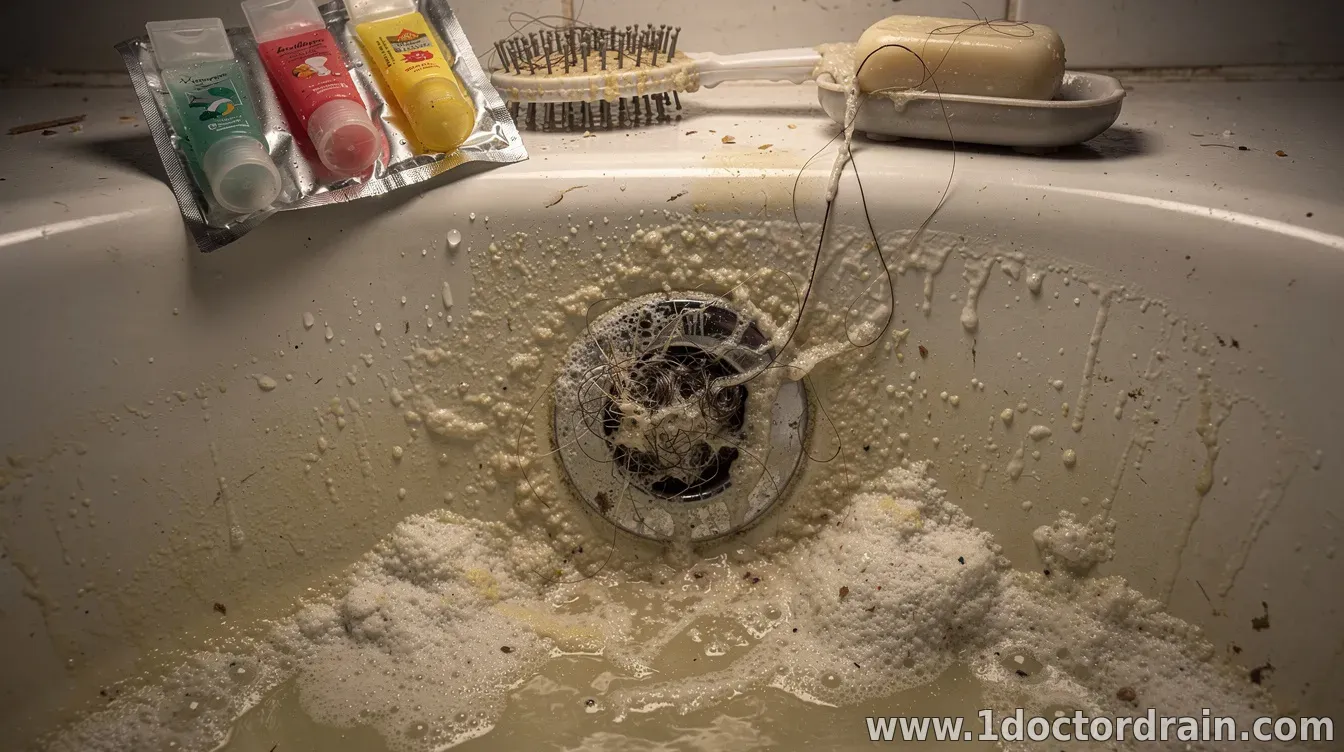
Common Causes of Bathtub Drain Clogs
Clogged bathtub drains are among the most frequent drainage issues in homes. Understanding the usual suspects can help you act quickly and prevent messy backups.
Common causes
The leading causes are often related to everyday habits and routine buildup. Hair, soap scum, and mineral deposits can accumulate over time, forming a stubborn blockage in the drain trap or pipes. Small objects accidentally dropped into the tub—like jewelry, toys, or washcloths—can also get caught and create a partial or full clog.
- Hair and soap scum buildup forming a slow curve of resistance in the drain
- Mineral deposits from hard water creating crusty obstructions
- Foreign objects such as small items accidentally dropped in the drain
- Improper use of plungers or chemical cleaners that push debris further into the pipes
In some cases, plumbing design or aging pi ... Read more »
- Get link
- X
- Other Apps
- Get link
- X
- Other Apps
Comments
Post a Comment