Why Your Guest Bathroom Smells Like Sewer (Fixes) A sewer-like odor in a guest bathroom is almost always a plumbing or drainage issue. Because guests may notice it immediately, it’s worth treating the smell as a warning sign: even if the problem is small (like a dried-out trap), it can point to a pathway that allows sewer gas to escape into your home. Below are the most common reasons a bathroom smells like sewer—and practical steps to identify the culprit. 1) A dry P-trap or floor drain Every sink, tub, and many shower drains use a “P-trap” (or similar trap) filled with water. That water forms a barrier that keeps sewer gas from entering the room. If a bathroom is rarely used—or the drain hasn’t been run in a while—the trap can evaporate, leaving the barrier gone. What to do: Run water in each drain (sink, shower, tub) for 30–60 seconds. If the smell fades, a dry trap was ... Read more »
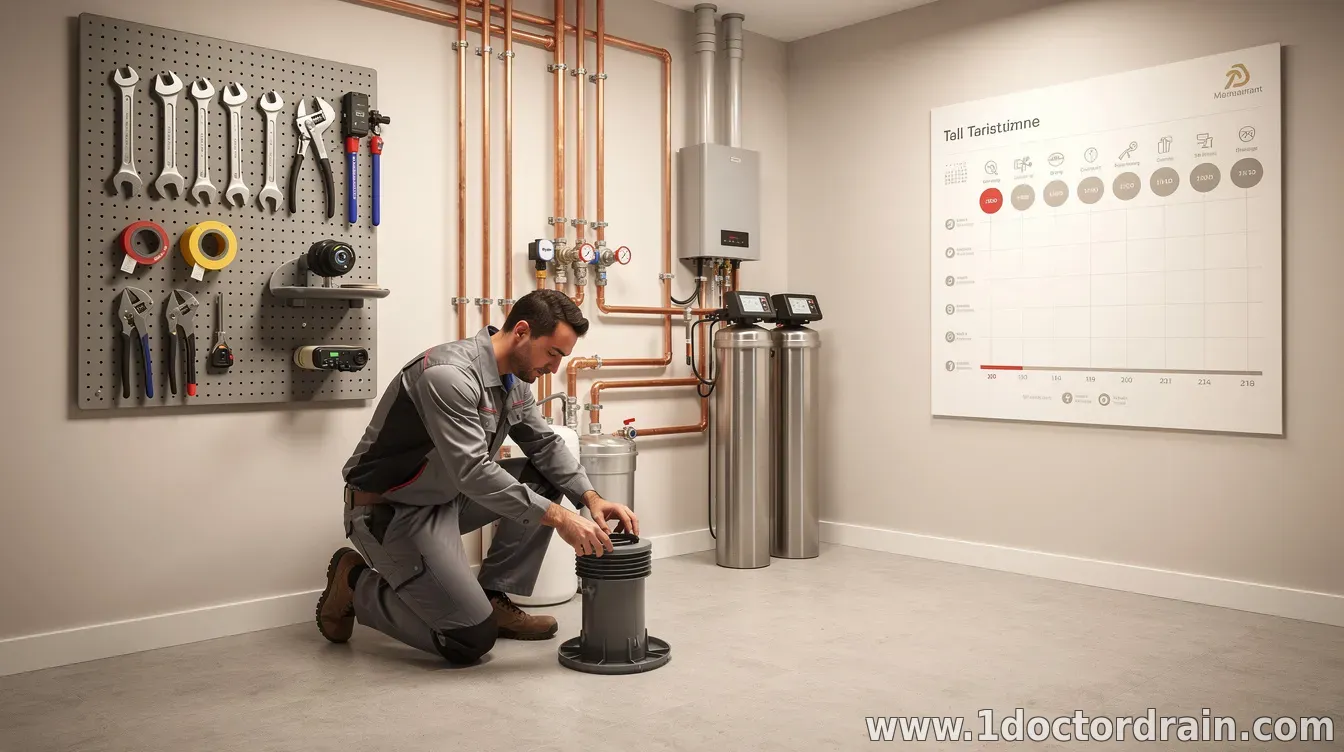
How Often Should You Schedule Main Line Rodding?
Maintaining a clear main sewer line is essential for preventing backups and protecting your home's plumbing. The frequency of main line rodding depends on several factors, including your home’s age, tree roots in the area, past clog history, and the local sewer system conditions. In general, many homeowners schedule preventive rodding every 3–5 years, but adjustments may be necessary based on your specific circumstances.
Key factors that influence how often you should rod the main line include:
- Past blockages or slow drains in multiple fixtures, which suggest a developing mainline issue.
- Nearby mature trees with aggressive roots that can intrude into sewer pipes.
- Pipe material and age; older pipes (like clay or old cast iron) are more prone to root intrusion and buildup.
- Changes in sewage flow or unusual odors, gurgling, or frequent backups in low-lying fixtures.
If you ... Read more »
- Get link
- X
- Other Apps
- Get link
- X
- Other Apps
Comments
Post a Comment