Why Your Guest Bathroom Smells Like Sewer (Fixes) A sewer-like odor in a guest bathroom is almost always a plumbing or drainage issue. Because guests may notice it immediately, it’s worth treating the smell as a warning sign: even if the problem is small (like a dried-out trap), it can point to a pathway that allows sewer gas to escape into your home. Below are the most common reasons a bathroom smells like sewer—and practical steps to identify the culprit. 1) A dry P-trap or floor drain Every sink, tub, and many shower drains use a “P-trap” (or similar trap) filled with water. That water forms a barrier that keeps sewer gas from entering the room. If a bathroom is rarely used—or the drain hasn’t been run in a while—the trap can evaporate, leaving the barrier gone. What to do: Run water in each drain (sink, shower, tub) for 30–60 seconds. If the smell fades, a dry trap was ... Read more »
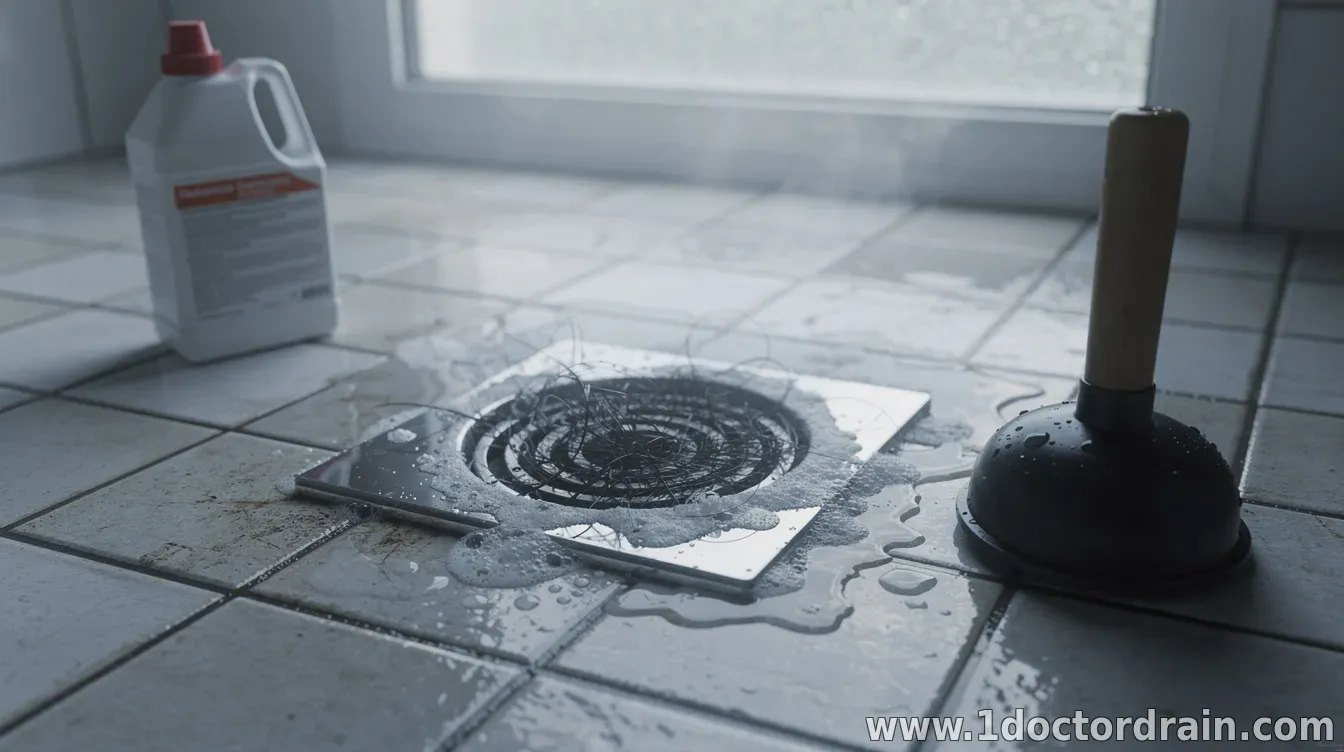
How to unclog a shower drain: practical steps you can take
One of the most common bathroom annoyances is a shower drain that won’t drain properly. A slow or clogged drain can lead to standing water, unpleasant odors, and a messy rim around the tub or shower base. Here’s a concise, practical guide to diagnosing and solving the problem.
First, assess the situation. A clog typically results from hair, soap scum, or mineral buildup that traps debris as it travels down the drain. If you notice a slow drain only after a certain amount of water has collected, you’re likely dealing with a partial blockage. If water backs up and pools, the blockage is more pronounced and may require more tools or professional help.
DIY steps you can try
Try these steps in order, testing the drain after each:
- Remove the drain cover and pull out visible hair or debris with fingers or a pair of needle-nose pliers.
- Get link
- X
- Other Apps
- Get link
- X
- Other Apps
Comments
Post a Comment