Why Your Guest Bathroom Smells Like Sewer (Fixes) A sewer-like odor in a guest bathroom is almost always a plumbing or drainage issue. Because guests may notice it immediately, it’s worth treating the smell as a warning sign: even if the problem is small (like a dried-out trap), it can point to a pathway that allows sewer gas to escape into your home. Below are the most common reasons a bathroom smells like sewer—and practical steps to identify the culprit. 1) A dry P-trap or floor drain Every sink, tub, and many shower drains use a “P-trap” (or similar trap) filled with water. That water forms a barrier that keeps sewer gas from entering the room. If a bathroom is rarely used—or the drain hasn’t been run in a while—the trap can evaporate, leaving the barrier gone. What to do: Run water in each drain (sink, shower, tub) for 30–60 seconds. If the smell fades, a dry trap was ... Read more »
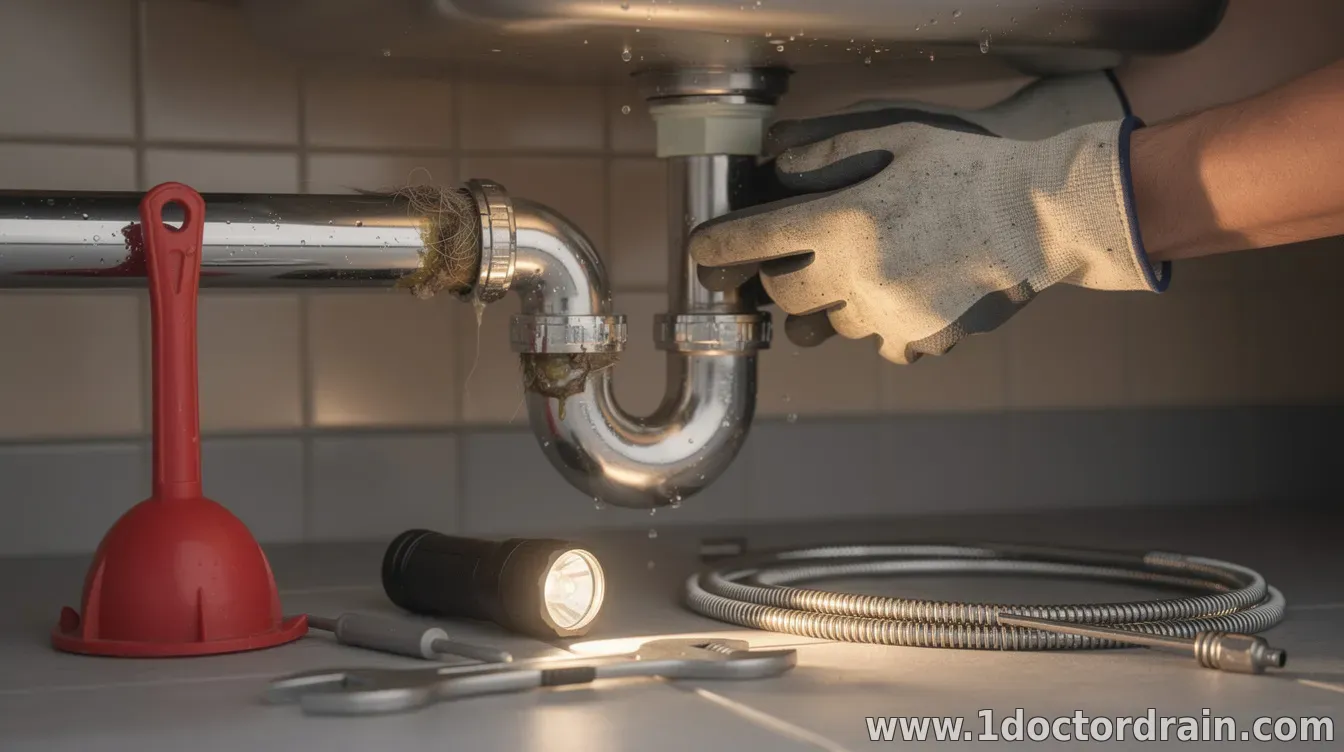
Prevention Tips for Main Line Clogs
Clogs in the main sewer line can bring the whole house to a halt, from slow drains to backed-up toilets. While some issues require a plumber, many clogs are preventable with routine care and smart habits. Below is a practical, three-part approach to reducing the risk of a main line clog.
1) Stop clogs before they start
Install drain screens on sinks and tubs to catch hair, food particles, and other debris. Dispose of grease and oil in the trash, not the sink, and avoid flushing non-flushables like wipes, cotton swabs, and sanitary products. Use a dedicated trash can for solids to minimize buildup in pipes.
2) Maintain a healthy drain system
Run hot water down kitchen and bathroom drains weekly to melt away grease and clear minor buildup. Consider a monthly enzyme-based or microbiological drain cleaner as a maintenance step, following product directions and av ... Read more »
- Get link
- X
- Other Apps
- Get link
- X
- Other Apps
Comments
Post a Comment