
Fallen Leaves and Storm Drains: How to Prevent Yard Flooding

  Fallen Leaves and Storm Drains: How to Prevent Yard Flooding Autumn showers plus a blanket of fallen leaves can clog storm drains and overwhelm yard drainage. Left unmanaged, water can flood lawns, undermine foundations, and create slippery hazards. Understanding the connection between leaf litter and drainage helps homeowners act quickly and effectively.   Key causes : Debris blocks gutters, culverts, and perforated drainpipes. Saturated soil holds more water, increasing runoff toward low spots. Clogged grates and catch basins can back up, forcing water to pool on the surface.   Preventive steps :   1) Regularly clear leaves from roofs, gutters, and downspouts. Ensure downspouts drain at least 3–4 meters away from the foundation.   2) Create surface drainage paths. Grade gardens away from the house, and install a shallow swale or French drain to guide water to a safe outlet.   3) Maintain drainage inf ... Read more »
Hydro jetting: what it is and how it works

 Hydro jetting: what it is and how it works

Hydro jetting: what it is and how it works


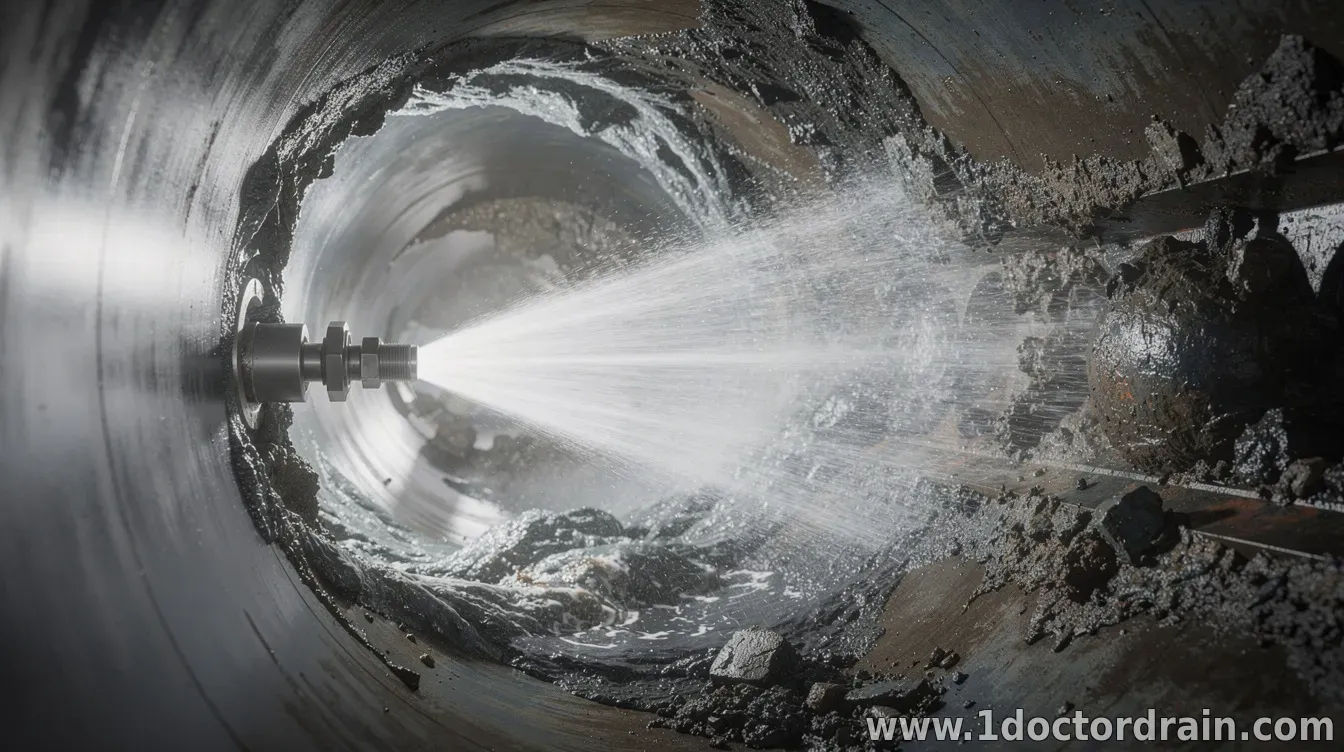
Hydro jetting is a plumbing service that uses high-pressure water to clean the interior of pipes. It’s commonly used for clearing clogged drains, restoring flow in sewer lines, and removing built-up material such as grease, scale, and debris.


Unlike basic drain snaking—which can remove some obstructions but may leave residue behind—hydro jetting is designed to thoroughly clean the pipe walls, helping reduce the chance of repeat backups.


How hydro jetting works


The process starts with a technician assessing the system and selecting the appropriate pressure and nozzle setup. A specialized hose is then inserted into the pipe through an access point, such as a cleanout or the plumbing fixture depending on the job.


At the other end of the hose is a nozzle that directs the water jet forward (and in many designs, outward as well). The water is propelled by a high-powered pump, ... Read more »

Comments

Popular posts from this blog

Laundry Drain Clog: Causes, DIY Limits, and When to Call

  Laundry Drain Clog: Causes, DIY Limits, and When to Call A clogged laundry drain is one of those plumbing problems that escalates fast: water backs up during a cycle, clothes come out damp, and unpleasant smells can linger. While many blockages are fixable with simple tools and safe cleaning methods, some situations require a professional to prevent damage to plumbing or appliances.   Common causes of laundry drain clogs   Laundry clogs are usually caused by what goes down the drain—plus what gets dislodged over time. Common culprits include lint buildup, hair, and fabric fibers that collect in the washer’s drain hose, standpipe, or home drain line.   Other frequent contributors include detergent and softener residue (which can form sticky deposits), small objects like socks or stray items, and grease or grime tracked in from heavily soiled laundry. In some homes, older plumbing or improper venting can make clogs more likely and worsen slow drainage. &  .....

Drain Smell That Won’t Go Away: Causes and Fixes

  Drain Smell That Won’t Go Away: Causes and Fixes If you notice a drain smell that just won’t go away, the source is often closer than you think—frequently trapped odor behind plumbing fixtures, stagnant water in the line, or a venting problem that lets sewer gas escape into your home. While the smell itself is unpleasant, it can also be a useful clue: the “what” and “where” often narrow down the “why.” Below are the most common causes and the safest, most effective fixes homeowners can attempt before calling a plumber.   1) Dry P-trap or infrequent use   Many sinks, tubs, and floor drains have a U-shaped P-trap under the fixture. It holds a small amount of water that blocks sewer gases from rising up through the drain. If the water evaporates—common in bathrooms that aren’t used often, during extended vacations, or after a leak—or if the trap was installed incorrectly, odor can linger.   ...  Read more »

Why Drains Clog: Common Causes and What to Check

  Why Drains Clog: Common Causes and What to Check Drain problems can be caused by many different factors, and the underlying reason matters because the right solution depends on what’s actually blocking the flow. A slow drain today can turn into a full backup if the cause is ignored—especially when multiple fixtures share the same line.   One of the most frequent causes is a buildup of hair and soap residue. In showers and bathrooms, hair can form a mat that traps other materials, while soap scum and shampoo thicken the blockage over time. This often shows up as gurgling sounds or water draining more slowly than usual.   In kitchens, grease is a major culprit. Cooking oils and fatty food particles can cool inside pipes and stick to the interior surfaces, gradually narrowing the passage. Over time, even small amounts of grease—combined with food debris—can lead to persistent clogs and odors.   Another common factor is foreign objects and debris. I  ...  Rea...