Why Your Guest Bathroom Smells Like Sewer (Fixes) A sewer-like odor in a guest bathroom is almost always a plumbing or drainage issue. Because guests may notice it immediately, it’s worth treating the smell as a warning sign: even if the problem is small (like a dried-out trap), it can point to a pathway that allows sewer gas to escape into your home. Below are the most common reasons a bathroom smells like sewer—and practical steps to identify the culprit. 1) A dry P-trap or floor drain Every sink, tub, and many shower drains use a “P-trap” (or similar trap) filled with water. That water forms a barrier that keeps sewer gas from entering the room. If a bathroom is rarely used—or the drain hasn’t been run in a while—the trap can evaporate, leaving the barrier gone. What to do: Run water in each drain (sink, shower, tub) for 30–60 seconds. If the smell fades, a dry trap was ... Read more »
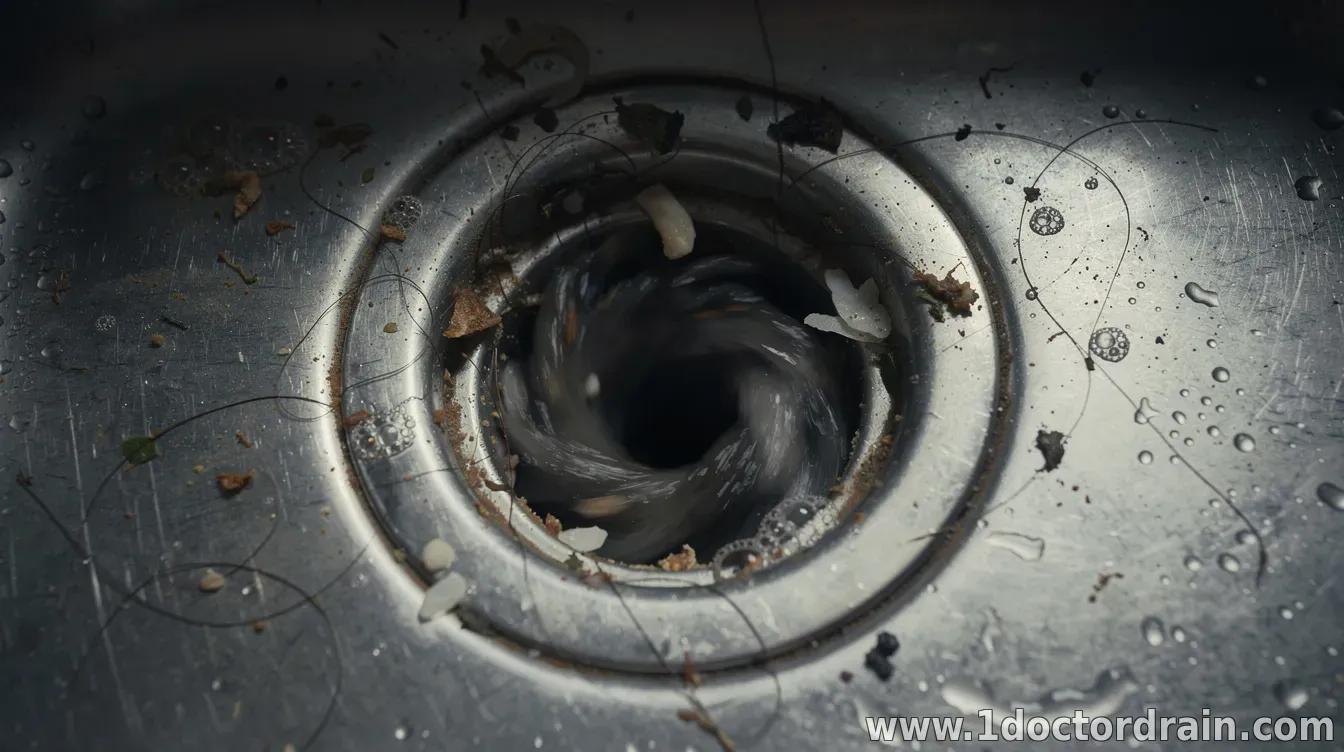
When Your Drains Demand Attention: Signs, Causes, and Fixes
A drain that suddenly starts backing up, gurgling, or smelling strongly is often more than an inconvenience. These symptoms can point to clogged pipes, venting problems, or—less commonly—underlying damage that may require professional inspection.
While some issues are minor and resolvable with basic cleaning, repeated or escalating drainage problems can lead to spills, water damage, and higher repair costs.
Common warning signs you shouldn’t ignore
Homeowners typically notice drain trouble before a full blockage. Slow drainage is usually the first cue, but other red flags matter just as much.
- Gurgling sounds when water drains, suggesting air trapped by a partial clog.
- Bad odors coming from sinks, tubs, or floor drains.
- Water pooling or backing up, especially in multiple fixtures.
... Read more »
- Get link
- X
- Other Apps
- Get link
- X
- Other Apps
Comments
Post a Comment