Why Your Guest Bathroom Smells Like Sewer (Fixes) A sewer-like odor in a guest bathroom is almost always a plumbing or drainage issue. Because guests may notice it immediately, it’s worth treating the smell as a warning sign: even if the problem is small (like a dried-out trap), it can point to a pathway that allows sewer gas to escape into your home. Below are the most common reasons a bathroom smells like sewer—and practical steps to identify the culprit. 1) A dry P-trap or floor drain Every sink, tub, and many shower drains use a “P-trap” (or similar trap) filled with water. That water forms a barrier that keeps sewer gas from entering the room. If a bathroom is rarely used—or the drain hasn’t been run in a while—the trap can evaporate, leaving the barrier gone. What to do: Run water in each drain (sink, shower, tub) for 30–60 seconds. If the smell fades, a dry trap was ... Read more »
How Long Does a Drain Cleaning Service Take?
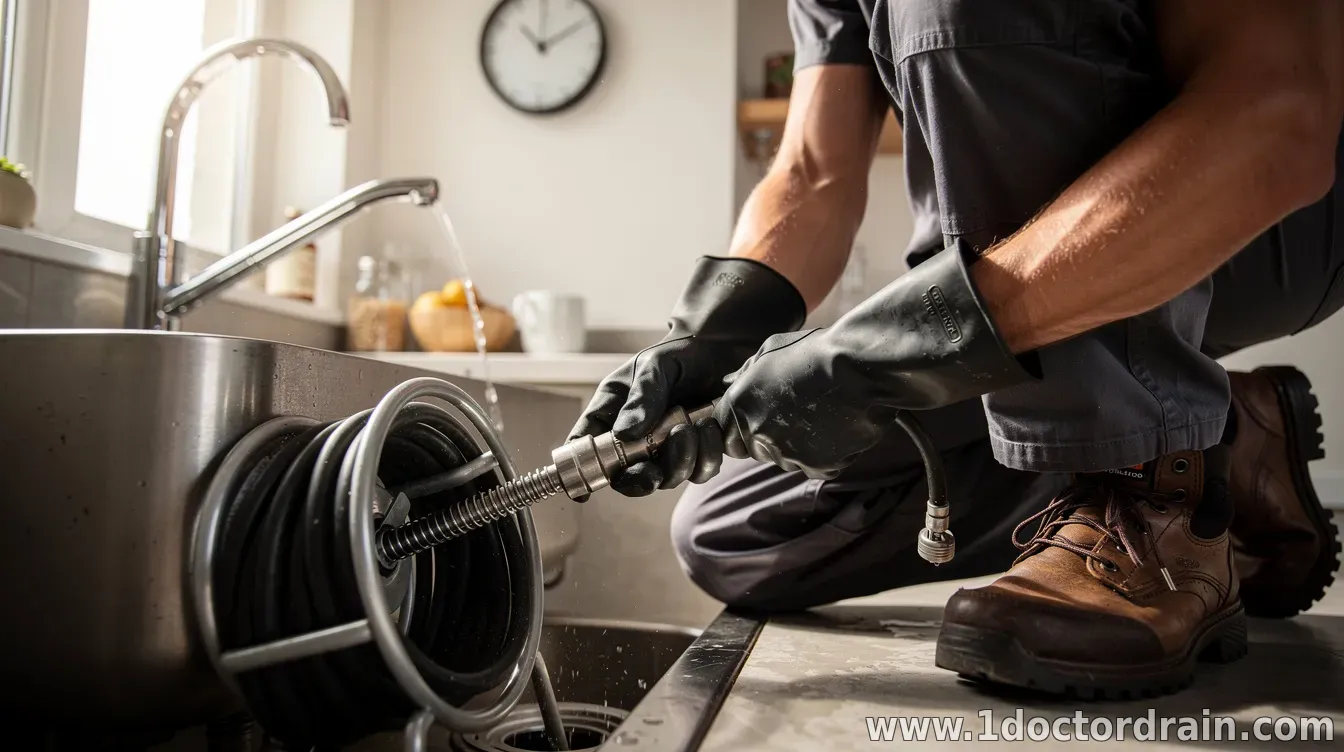
When a sink, shower, or toilet suddenly won’t drain properly, one of the first questions homeowners ask is: How long will a drain cleaning service take? The honest answer is that timelines vary based on what’s clogging the line, how far the blockage has progressed, and which tools a technician needs to clear it.
That said, most professionally handled drain cleaning calls are completed on the same day, and many are finished within a relatively short window.
Typical time ranges for common drain problems
In general, many drain cleaning services fall into these broad time frames:
- 15–30 minutes: Minor clogs or slow drainage cleared quickly after inspection.
- 30 minutes–2 hours: Common blockages caused by hair, grease, soap buildup, or partial obstructions.
- 2–4 hours: More ... Read more »
- Get link
- X
- Other Apps
- Get link
- X
- Other Apps
Comments
Post a Comment