
Why Your Guest Bathroom Smells Like Sewer (Fixes)

  Why Your Guest Bathroom Smells Like Sewer (Fixes) A sewer-like odor in a guest bathroom is almost always a plumbing or drainage issue. Because guests may notice it immediately, it’s worth treating the smell as a warning sign: even if the problem is small (like a dried-out trap), it can point to a pathway that allows sewer gas to escape into your home.   Below are the most common reasons a bathroom smells like sewer—and practical steps to identify the culprit.   1) A dry P-trap or floor drain   Every sink, tub, and many shower drains use a “P-trap” (or similar trap) filled with water. That water forms a barrier that keeps sewer gas from entering the room. If a bathroom is rarely used—or the drain hasn’t been run in a while—the trap can evaporate, leaving the barrier gone.   What to do: Run water in each drain (sink, shower, tub) for 30–60 seconds. If the smell fades, a dry trap was ... Read more »
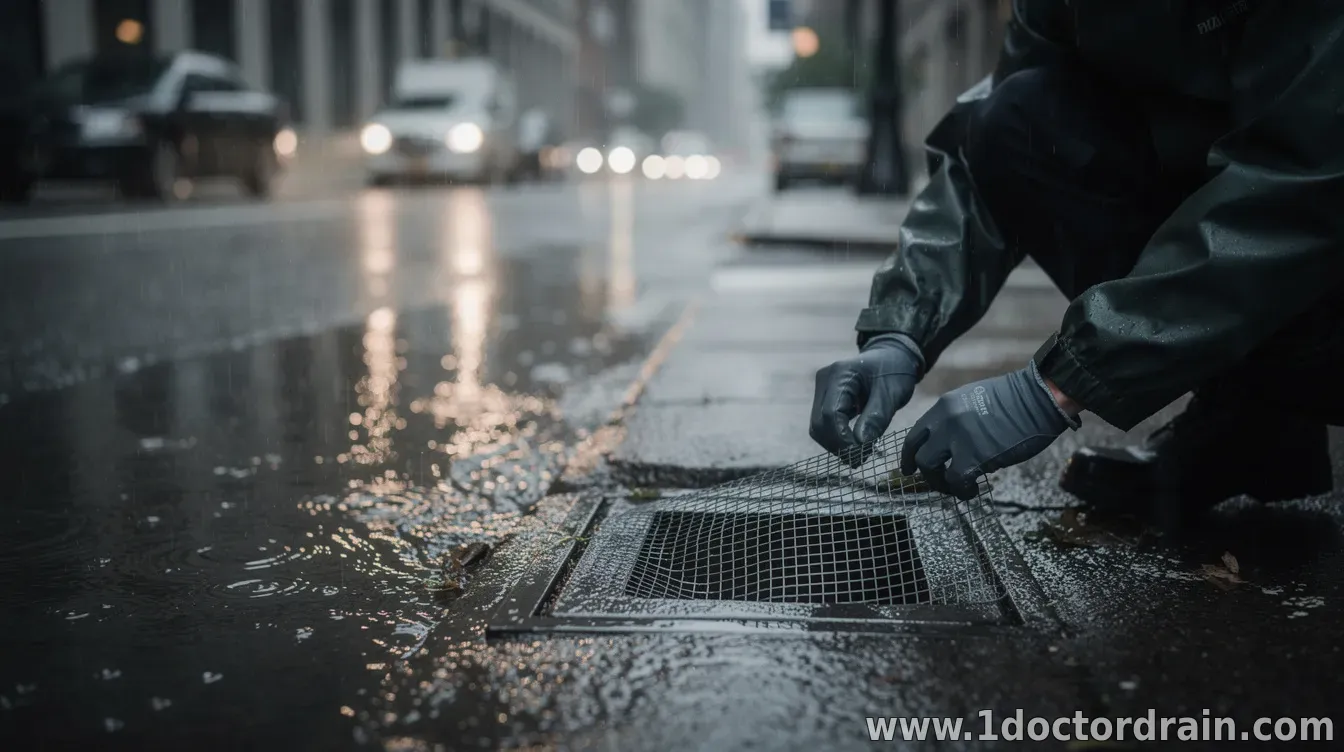
How to Prepare Your Storm Drain for Chicago Rainy Season

 How to Prepare Your Storm Drain for Chicago Rainy Season

How to Prepare Your Storm Drain for Chicago Rainy Season


As Chicago heads into its rainier months, blocked or poorly maintained storm drains can quickly turn routine downpours into street flooding or basement backups. While local infrastructure does much of the heavy lifting, homeowners and property managers can improve flow by preparing drainage paths before the busiest storms arrive.


The goal is simple: keep water moving into the storm sewer system by reducing debris, leaves, and sediment that accumulate around inlets and grates. Even small improvements—like clearing a few inches of buildup and managing runoff from your yard—can make a measurable difference during peak rainfall.


Start with a careful inspection


Before the first major storm, walk your property and look for storm drain intakes—such as curbside grates, yard inlets, or drain structures along driveways and walkways. Check for visible leaves, twigs, trash, standing water that drains slow ... Read more »

Comments

Popular posts from this blog

Laundry Drain Clog: Causes, DIY Limits, and When to Call

  Laundry Drain Clog: Causes, DIY Limits, and When to Call A clogged laundry drain is one of those plumbing problems that escalates fast: water backs up during a cycle, clothes come out damp, and unpleasant smells can linger. While many blockages are fixable with simple tools and safe cleaning methods, some situations require a professional to prevent damage to plumbing or appliances.   Common causes of laundry drain clogs   Laundry clogs are usually caused by what goes down the drain—plus what gets dislodged over time. Common culprits include lint buildup, hair, and fabric fibers that collect in the washer’s drain hose, standpipe, or home drain line.   Other frequent contributors include detergent and softener residue (which can form sticky deposits), small objects like socks or stray items, and grease or grime tracked in from heavily soiled laundry. In some homes, older plumbing or improper venting can make clogs more likely and worsen slow drainage. &  .....

Drain Smell That Won’t Go Away: Causes and Fixes

  Drain Smell That Won’t Go Away: Causes and Fixes If you notice a drain smell that just won’t go away, the source is often closer than you think—frequently trapped odor behind plumbing fixtures, stagnant water in the line, or a venting problem that lets sewer gas escape into your home. While the smell itself is unpleasant, it can also be a useful clue: the “what” and “where” often narrow down the “why.” Below are the most common causes and the safest, most effective fixes homeowners can attempt before calling a plumber.   1) Dry P-trap or infrequent use   Many sinks, tubs, and floor drains have a U-shaped P-trap under the fixture. It holds a small amount of water that blocks sewer gases from rising up through the drain. If the water evaporates—common in bathrooms that aren’t used often, during extended vacations, or after a leak—or if the trap was installed incorrectly, odor can linger.   ...  Read more »

Why Drains Clog: Common Causes and What to Check

  Why Drains Clog: Common Causes and What to Check Drain problems can be caused by many different factors, and the underlying reason matters because the right solution depends on what’s actually blocking the flow. A slow drain today can turn into a full backup if the cause is ignored—especially when multiple fixtures share the same line.   One of the most frequent causes is a buildup of hair and soap residue. In showers and bathrooms, hair can form a mat that traps other materials, while soap scum and shampoo thicken the blockage over time. This often shows up as gurgling sounds or water draining more slowly than usual.   In kitchens, grease is a major culprit. Cooking oils and fatty food particles can cool inside pipes and stick to the interior surfaces, gradually narrowing the passage. Over time, even small amounts of grease—combined with food debris—can lead to persistent clogs and odors.   Another common factor is foreign objects and debris. I  ...  Rea...