Why Your Guest Bathroom Smells Like Sewer (Fixes) A sewer-like odor in a guest bathroom is almost always a plumbing or drainage issue. Because guests may notice it immediately, it’s worth treating the smell as a warning sign: even if the problem is small (like a dried-out trap), it can point to a pathway that allows sewer gas to escape into your home. Below are the most common reasons a bathroom smells like sewer—and practical steps to identify the culprit. 1) A dry P-trap or floor drain Every sink, tub, and many shower drains use a “P-trap” (or similar trap) filled with water. That water forms a barrier that keeps sewer gas from entering the room. If a bathroom is rarely used—or the drain hasn’t been run in a while—the trap can evaporate, leaving the barrier gone. What to do: Run water in each drain (sink, shower, tub) for 30–60 seconds. If the smell fades, a dry trap was ... Read more »
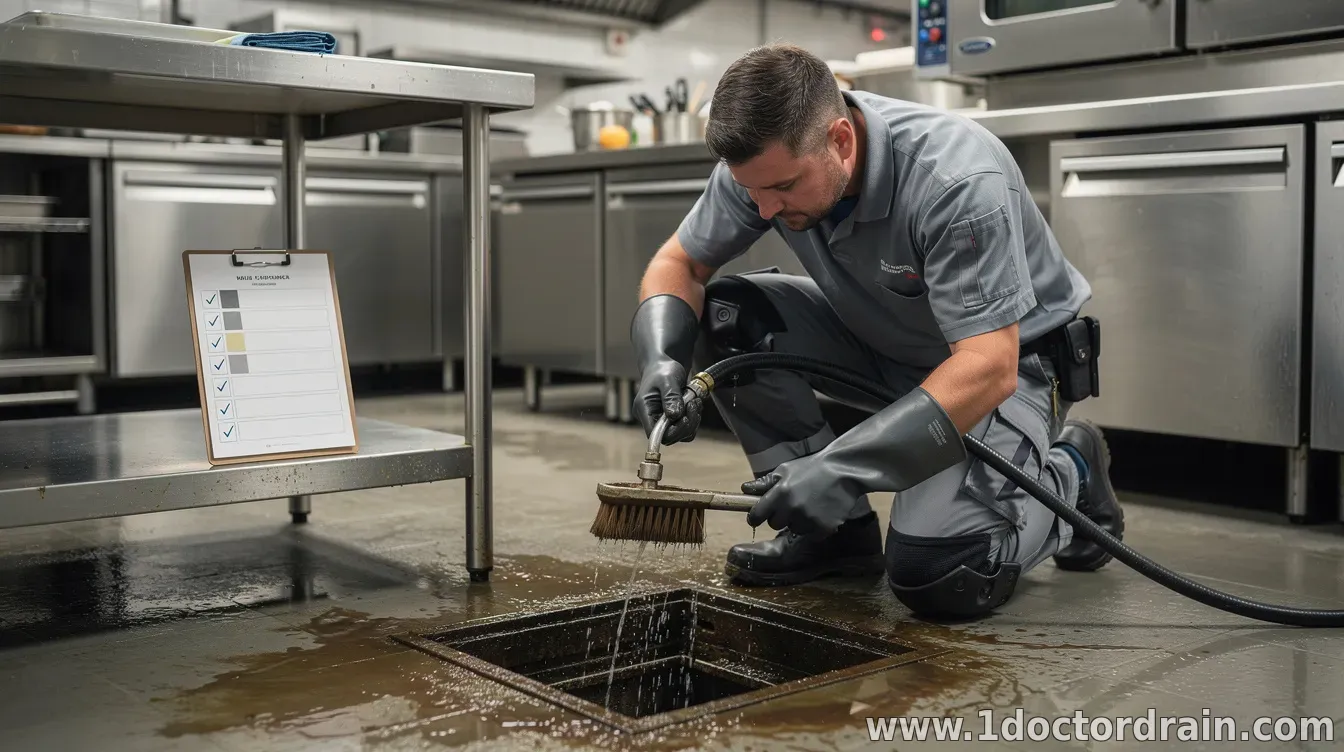
Restaurant Drain Maintenance: Grease, Codes, Schedules
Drain problems in restaurants rarely start as sudden failures. More often, they build quietly—through grease and food solids accumulating inside pipes, slowly narrowing flow paths until backups, odors, and emergency repairs follow. A practical maintenance plan can prevent most issues while also supporting compliance with local plumbing and wastewater requirements.
Grease is the primary driver of clogged drains. Kitchen wastewater can carry oils and fats that cool and harden on pipe walls. Over time, that residue traps other debris, including food particles and organic waste, forming blockages that are difficult to clear without specialized equipment. Many jurisdictions require restaurants to manage grease before it enters municipal sewer systems, typically through grease interceptors or approved alternatives.
What codes usually require (and what to document)
While details vary by city and ... Read more »
- Get link
- X
- Other Apps
- Get link
- X
- Other Apps
Comments
Post a Comment