Sewer Line Replacement: Trenchless vs. Traditional Dig Sewer line replacement is one of the more disruptive—and expensive—home repairs. When the existing pipe is cracked, collapsed, or badly corroded, property owners must decide between two broad approaches: trenchless methods (such as cured-in-place pipe lining or pipe bursting) and the traditional option that requires excavation along the affected route. While both can restore sewer service, they differ significantly in downtime, restoration work, access needs, and risk factors. Understanding these differences helps homeowners align the project with their budget, schedule, and property constraints. What “traditional dig” typically involves Traditional replacement usually means excavating trenches to expose the existing pipe, removing damaged sections, installing new pipe segments, and then backfilling and restoring the surface. The method can be straightforward when access is available and ... Read more »
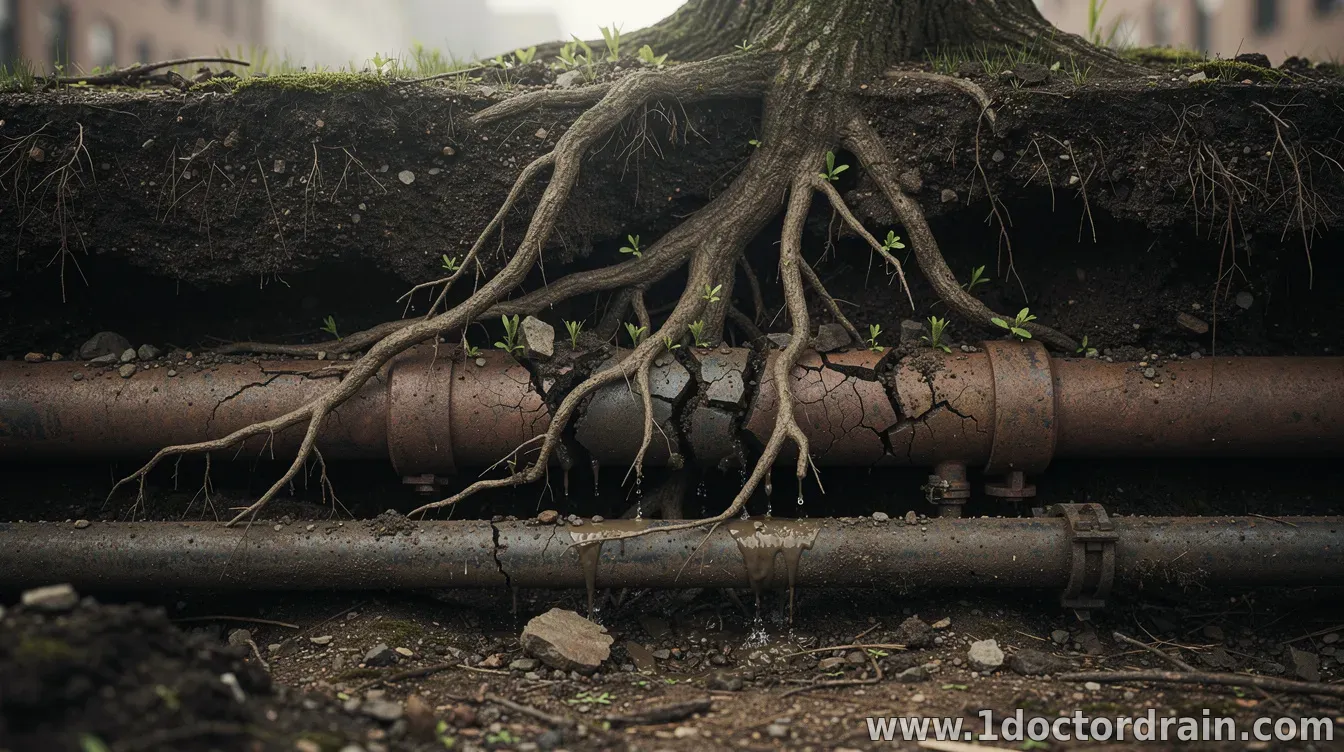
Spring tree-root growth raises risk of pipe intrusion
Spring is a high-risk season for plumbing and underground infrastructure. As soil warms and trees restart growth, roots expand more aggressively in search of water and nutrients—sometimes pressing into cracks, joints, and weakened sections of sewer and water pipes.
Tree-root intrusion typically doesn’t “start” overnight. Instead, a long-term problem—aging materials, minor settlement, or past damage—becomes more pronounced when roots begin reaching new moisture sources under sidewalks, lawns, and utility corridors.
Why growth season increases the risk
During spring, many trees and shrubs transition from dormancy to active growth. Root tips extend, branching increases, and the demand for water rises. If underground pipes are slightly misaligned or have small entry points, roots are more likely to exploit them, especially after winter freeze-thaw cycles that can widen existing d ... Read more »
- Get link
- X
- Other Apps
- Get link
- X
- Other Apps
Comments
Post a Comment