Preventing Restaurant Drain Cleaning Downtime A clogged drain isn’t just an inconvenience—it can stop dishwashing, foul kitchen sanitation, and force closures in the middle of service. For restaurants, the goal is simple: prevent blockages from forming, and when issues arise, restore flow quickly without disrupting peak hours. Because many restaurant drain problems start with predictable factors—grease buildup, food debris, and improper disposal—the best “emergency prevention” is a steady routine. The most reliable approach combines prevention habits in the kitchen with scheduled maintenance and clear escalation plans. Know the high-risk points in your plumbing Restaurants typically see the most frequent issues in drains connected to sinks, floor drains, grease traps/interceptors, prep areas, and dishwashing equipment. During busy hours, even a partial restriction can turn into a full backup as water use surges. Mapping ... Read more »
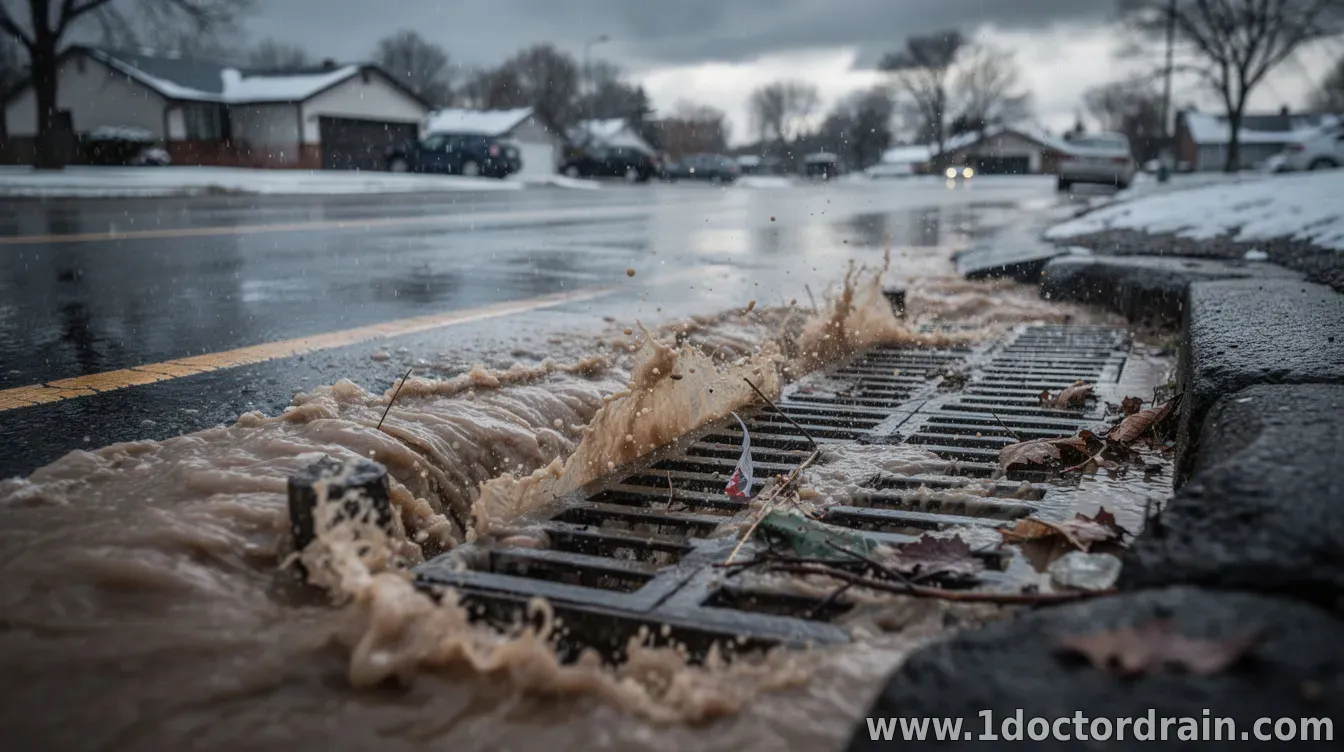
Midwest heavy rain and snowmelt: why drains back up
Across parts of the U.S. Midwest, periods of intense rainfall combined with melting snow can strain local storm-drain systems—sometimes leading to roadway flooding, slow drainage, and sewage backups. While storm drains are designed to carry stormwater away, the volume and timing of runoff can exceed what pipes, inlets, and pump stations can manage.
Here’s how the mix of heavy rain and snowmelt affects storm drains and why backups happen.
Runoff surges faster than drains can move water
During heavy rain, large amounts of water enter storm drains from streets, rooftops, and compacted ground. When snowmelt is occurring at the same time, meltwater adds another surge. The problem is not only total rainfall or total melt, but also how quickly water reaches the drainage system—often within hours, not days.
Frozen ground and ice can delay absorption
... Read more »
- Get link
- X
- Other Apps
- Get link
- X
- Other Apps
Comments
Post a Comment