Northbrook & Glenview: Municipal Sewer Connection Basics

  Northbrook & Glenview: Municipal Sewer Connection Basics For homeowners in Northbrook and Glenview, moving from septic to municipal sewer—or connecting a property that isn’t currently served—can be a practical upgrade. But the process is more than scheduling plumbing work: it typically involves permits, utility coordination, inspections, and clear cost expectations.   Below are the key items homeowners should know before starting the connection process, including how applications usually work, what impacts project timing, and which responsibilities may fall to the property owner.   1) Confirm whether your property is eligible and what’s required   The first step is determining whether your address is within an area served by the municipal system and what type of connection is being requested. Eligibility can depend on location, existing sewer availability, and the property’s current wastewater setup. Homeowners should also ask what “scop ... Read more »

Mold After a Drain Backup: How Fast It Spreads

 Mold After a Drain Backup: How Fast It Spreads

Mold After a Drain Backup: How Fast It Spreads


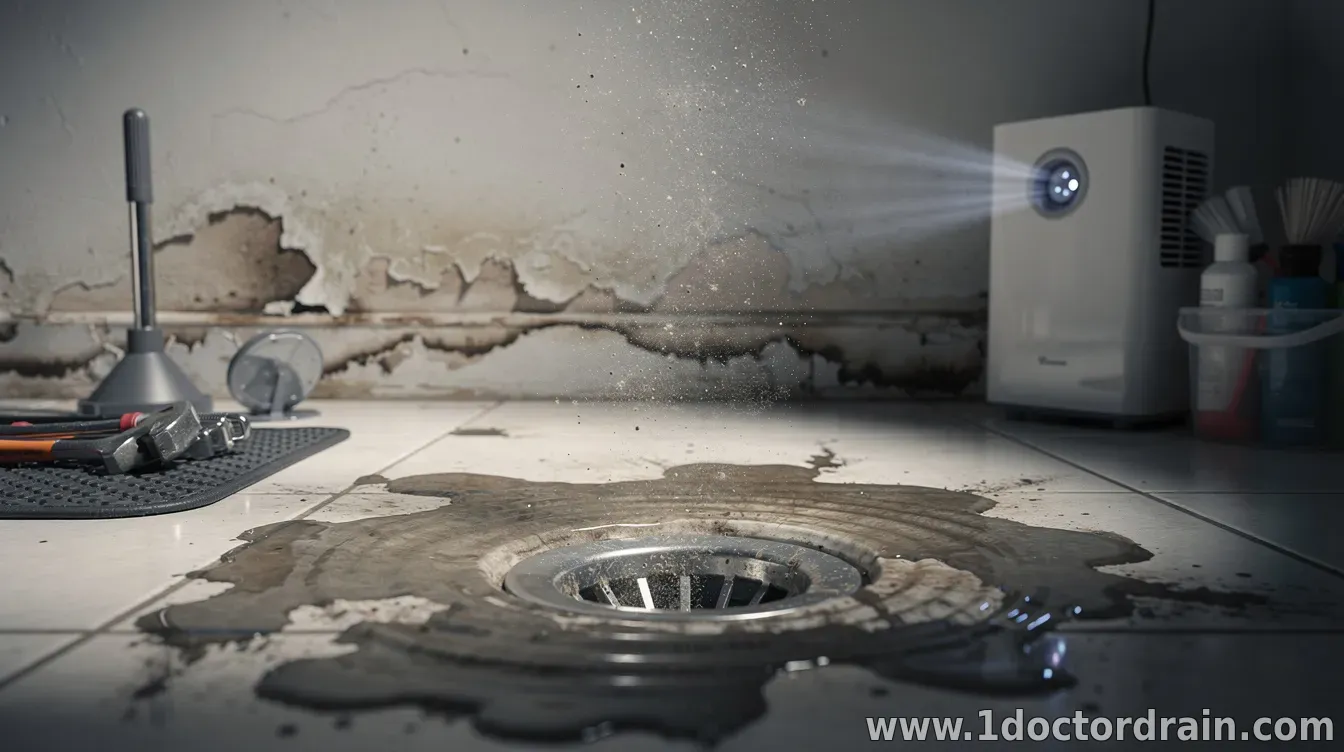
A drain backup can introduce water and contamination into your home, creating the conditions mold needs: moisture, organic material, and time. The critical factor is speed—once materials stay wet, mold can begin developing before many homeowners notice visible signs.


In general, mold can start growing within 24 to 48 hours after water exposure, particularly when materials like drywall, subflooring, insulation, or carpeting remain damp. If the affected area is warm and poorly ventilated, growth may accelerate and spread deeper into cavities and behind walls.


Drain backups are especially concerning because they can involve “contaminated” water that contains microbes. Even if the water appears to have receded, residual moisture can remain in porous materials, allowing mold and odors to persist.


How fast it spreads depends on several conditions: the category and temperature of the wat ... Read more »

Comments

Popular posts from this blog

When Your Drains Demand Attention, Doctor Drain is Her

  When Your Drains Demand Attention, Doctor Drain is Here   Drains often fade into the background—until they don’t. A slow-draining sink, a backed-up shower, or that unwelcome sewer odor can quickly disrupt your daily routine. These issues may seem minor at first, but if left unchecked, they can escalate into major plumbing emergencies. That’s where Doctor Drain comes in. Our state-of-the-art technology and expertise ensure that your drain issues are diagnosed and resolved with precision and efficiency.   Cutting-Edge Inspections with 100% Accuracy   At Doctor Drain, we pride ourselves on utilizing the latest innovations in drain and sewer system diagnostics. Our inspections start with advanced Snake camera technology, allowing us to capture crystal-clear visuals of your drain system. With the addition of modern locating tools, we can pinpoint the exact location and nature of any problem, eliminating the need for guesswork or unnecessary digging.   Whether ...

What Happens When Your Pipes Get Frozen ?

  The Domino Effect of Frozen Pipes What Happens When Your Pipes Get Frozen ?   Winter in Lincolnshire, IL, can be breathtakingly beautiful, with snow-draped trees and frosty mornings. But for homeowners, the freezing temperatures often come with a hidden hazard—frozen pipes. At Doctor Drain, we’ve seen firsthand how a simple freeze can spiral into a costly plumbing emergency. Let’s walk you through what happens when pipes freeze, why it’s a problem, and how Doctor Drain can save the day.   A Chilling Situation in Lincolnshire   It was a frigid January morning when a Lincolnshire homeowner, Mrs. Taylor, woke up to a nightmare. Her kitchen faucet was dry, and an unusual bulge in the basement wall hinted at trouble. Alarmed, she called Doctor Drain, knowing we’re the experts trusted by her neighbors for everything from frozen pipes to clogged drains.   When our technician arrived, he used advanced plumbing tools, including thermal imaging and camera video inspecti...

Why Is My Kitchen Sink Always Clogged? | Doctor Drain Explains

  Why Is My Kitchen Sink Always Clogged? | Doctor Drain Explains   If you’re tired of constantly battling a clogged kitchen sink, you’re not alone. At Doctor Drain, we receive countless calls from homeowners asking, “Why does my kitchen sink always clog?” This common problem can stem from a variety of issues, but the good news is that with the right help, you can stop the cycle of constant clogs.   Common Reasons Your Kitchen Sink is Always Clogged 1. Grease Build-Up in Your Pipes One of the most common causes of a clogged kitchen sink is grease. Even if you run hot water while washing dishes, grease can solidify inside your pipes, leading to stubborn blockages. Searching for “how to unclog a kitchen sink” or “kitchen sink plumber near me” often brings homeowners to Doctor Drain for professional help. 2. Food Scraps Down the Drain Food particles are another frequent culprit. Whether it’s pasta, rice, or coffee grounds, these items don’t break down easily and can clog your...