Why Your Guest Bathroom Smells Like Sewer (Fixes) A sewer-like odor in a guest bathroom is almost always a plumbing or drainage issue. Because guests may notice it immediately, it’s worth treating the smell as a warning sign: even if the problem is small (like a dried-out trap), it can point to a pathway that allows sewer gas to escape into your home. Below are the most common reasons a bathroom smells like sewer—and practical steps to identify the culprit. 1) A dry P-trap or floor drain Every sink, tub, and many shower drains use a “P-trap” (or similar trap) filled with water. That water forms a barrier that keeps sewer gas from entering the room. If a bathroom is rarely used—or the drain hasn’t been run in a while—the trap can evaporate, leaving the barrier gone. What to do: Run water in each drain (sink, shower, tub) for 30–60 seconds. If the smell fades, a dry trap was ... Read more »
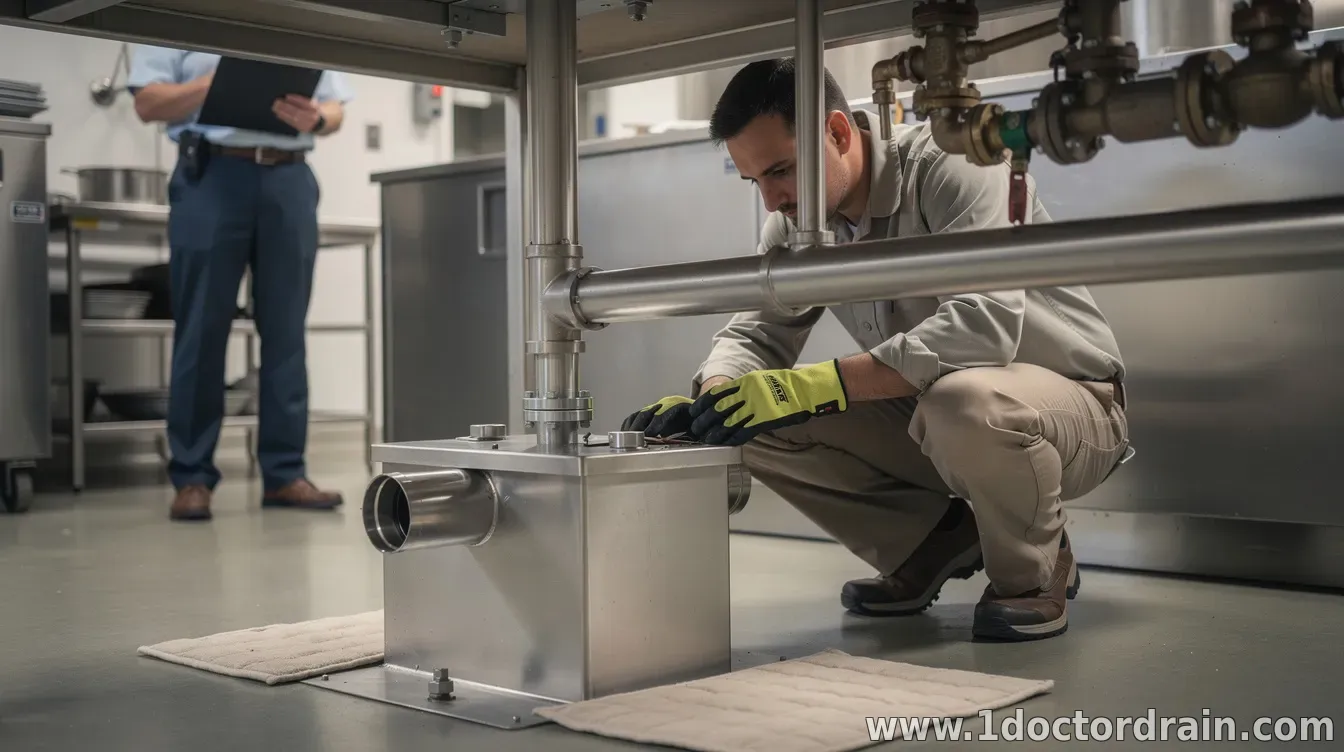
Restaurant Grease Trap Compliance: Local Requirements Explained
Keeping fats, oils, and grease (FOG) out of sanitary sewer lines is a basic expectation in many jurisdictions—yet the details of grease trap compliance can differ widely from one locality to the next. For restaurant operators, the safest approach is to treat grease management as a permit-and-inspection process rather than a one-time purchase.
In most areas, the requirements are designed to prevent clogs, sewer overflows, and costly downstream cleanup. Local wastewater agencies often set performance expectations (how effective the trap must be) alongside operational duties such as maintenance frequency, recordkeeping, and proper disposal of collected waste.
What “compliance” usually means
While exact language varies, local grease trap programs commonly require restaurants to use an approved intercepting device—such as a grease trap, grease interceptor, or an alternative pretreatment syste ... Read more »
- Get link
- X
- Other Apps
- Get link
- X
- Other Apps
Comments
Post a Comment