Sewage Ejector Pump vs. Sump Pump: Key Differences

  Sewage Ejector Pump vs. Sump Pump: Key Differences Homeowners often use the terms “sump pump” and “sewage ejector pump” interchangeably, but the two devices are engineered for different plumbing demands. Choosing the right pump matters because the wrong type can fail under the load it’s given—or create safety and sanitation risks.   In general, sump pumps are meant for clean or lightly contaminated groundwater, while sewage ejector pumps are designed to handle wastewater that may contain solids and waste material from fixtures like toilets and garbage disposals.   What a sump pump is for   A sump pump is typically installed in a sump pit in basements or crawl spaces where groundwater collects—often during heavy rain, snowmelt, or high water tables. The pump lifts water away from the home to a drain, storm sewer, or another approved discharge location.   Because sump pumps are intended for groundwater, the ... Read more »

Storm Drains vs. Sanitary Sewers: Why the Difference Matters

 Storm Drains vs. Sanitary Sewers: Why the Difference Matters

Storm Drains vs. Sanitary Sewers: Why the Difference Matters


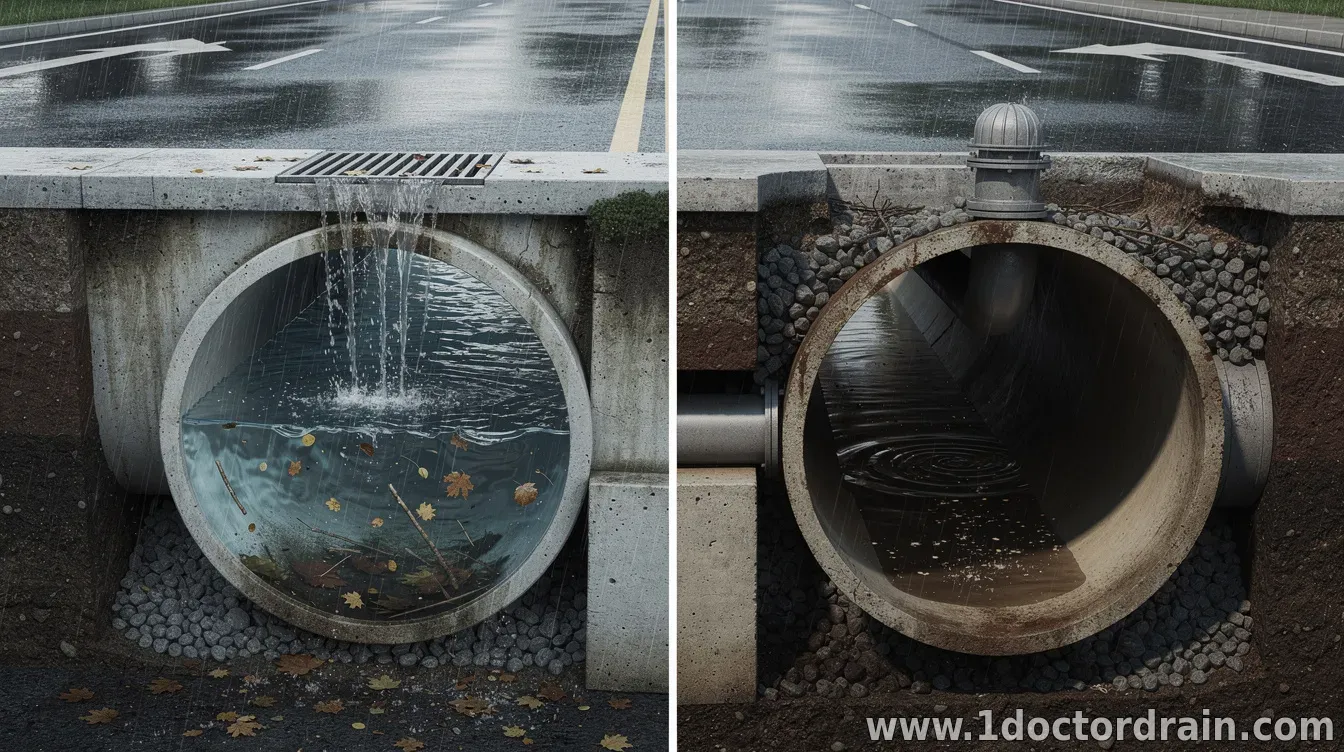
Storm drains and sanitary sewers are often discussed as if they serve the same purpose, but they are designed for fundamentally different types of water. The distinction affects everything from everyday street flooding to how communities protect rivers, lakes, and bays from pollution.


In most municipalities, the stormwater system is built to capture rainfall and snowmelt and route it—directly or with limited treatment—to nearby waterways. The sanitary sewer system, by contrast, is designed to collect wastewater from homes and businesses and deliver it to treatment facilities where it is treated before discharge.


What storm drains are for


Storm drains typically move “cleaner” water in the sense that it originates from precipitation rather than human waste. When rain falls, storm drains help prevent standing water by channeling runoff through catch basins, pipes, culverts, and sometimes de ... Read more »

Comments

Popular posts from this blog

When Your Drains Demand Attention, Doctor Drain is Her

  When Your Drains Demand Attention, Doctor Drain is Here   Drains often fade into the background—until they don’t. A slow-draining sink, a backed-up shower, or that unwelcome sewer odor can quickly disrupt your daily routine. These issues may seem minor at first, but if left unchecked, they can escalate into major plumbing emergencies. That’s where Doctor Drain comes in. Our state-of-the-art technology and expertise ensure that your drain issues are diagnosed and resolved with precision and efficiency.   Cutting-Edge Inspections with 100% Accuracy   At Doctor Drain, we pride ourselves on utilizing the latest innovations in drain and sewer system diagnostics. Our inspections start with advanced Snake camera technology, allowing us to capture crystal-clear visuals of your drain system. With the addition of modern locating tools, we can pinpoint the exact location and nature of any problem, eliminating the need for guesswork or unnecessary digging.   Whether ...

What Happens When Your Pipes Get Frozen ?

  The Domino Effect of Frozen Pipes What Happens When Your Pipes Get Frozen ?   Winter in Lincolnshire, IL, can be breathtakingly beautiful, with snow-draped trees and frosty mornings. But for homeowners, the freezing temperatures often come with a hidden hazard—frozen pipes. At Doctor Drain, we’ve seen firsthand how a simple freeze can spiral into a costly plumbing emergency. Let’s walk you through what happens when pipes freeze, why it’s a problem, and how Doctor Drain can save the day.   A Chilling Situation in Lincolnshire   It was a frigid January morning when a Lincolnshire homeowner, Mrs. Taylor, woke up to a nightmare. Her kitchen faucet was dry, and an unusual bulge in the basement wall hinted at trouble. Alarmed, she called Doctor Drain, knowing we’re the experts trusted by her neighbors for everything from frozen pipes to clogged drains.   When our technician arrived, he used advanced plumbing tools, including thermal imaging and camera video inspecti...

Why Is My Kitchen Sink Always Clogged? | Doctor Drain Explains

  Why Is My Kitchen Sink Always Clogged? | Doctor Drain Explains   If you’re tired of constantly battling a clogged kitchen sink, you’re not alone. At Doctor Drain, we receive countless calls from homeowners asking, “Why does my kitchen sink always clog?” This common problem can stem from a variety of issues, but the good news is that with the right help, you can stop the cycle of constant clogs.   Common Reasons Your Kitchen Sink is Always Clogged 1. Grease Build-Up in Your Pipes One of the most common causes of a clogged kitchen sink is grease. Even if you run hot water while washing dishes, grease can solidify inside your pipes, leading to stubborn blockages. Searching for “how to unclog a kitchen sink” or “kitchen sink plumber near me” often brings homeowners to Doctor Drain for professional help. 2. Food Scraps Down the Drain Food particles are another frequent culprit. Whether it’s pasta, rice, or coffee grounds, these items don’t break down easily and can clog your...