
What Not to Pour Down Your Drain This Thanksgiving: Grease, Coffee Grounds, Potato Peels, Rice

  What Not to Pour Down Your Drain This Thanksgiving: Grease, Coffee Grounds, Potato Peels, Rice Thanksgiving cooking season brings abundance and, unfortunately, a surge in drain clogs caused by everyday kitchen waste. By understanding which items should never go down the drain, households can save on maintenance and avoid messy backups.   What to avoid pouring down the drain   Grease and fat solidify as they cool, coating pipes and trapping food particles to form stubborn blockages. Coffee grounds look like they should disappear in the sink, but they accumulate and compact, creating dense plogs that resist water flow. Potato peels, while compostable in many systems, can jam garbage disposals or snag on pipes, especially in older homes. Finally, dry or cooked rice swells with water and can trap debris, contributing to clogs when flushed or poured.   Grease and fats   Best practice: allow grease to cool and solidify in a nondrain container, then trash it. For sma...
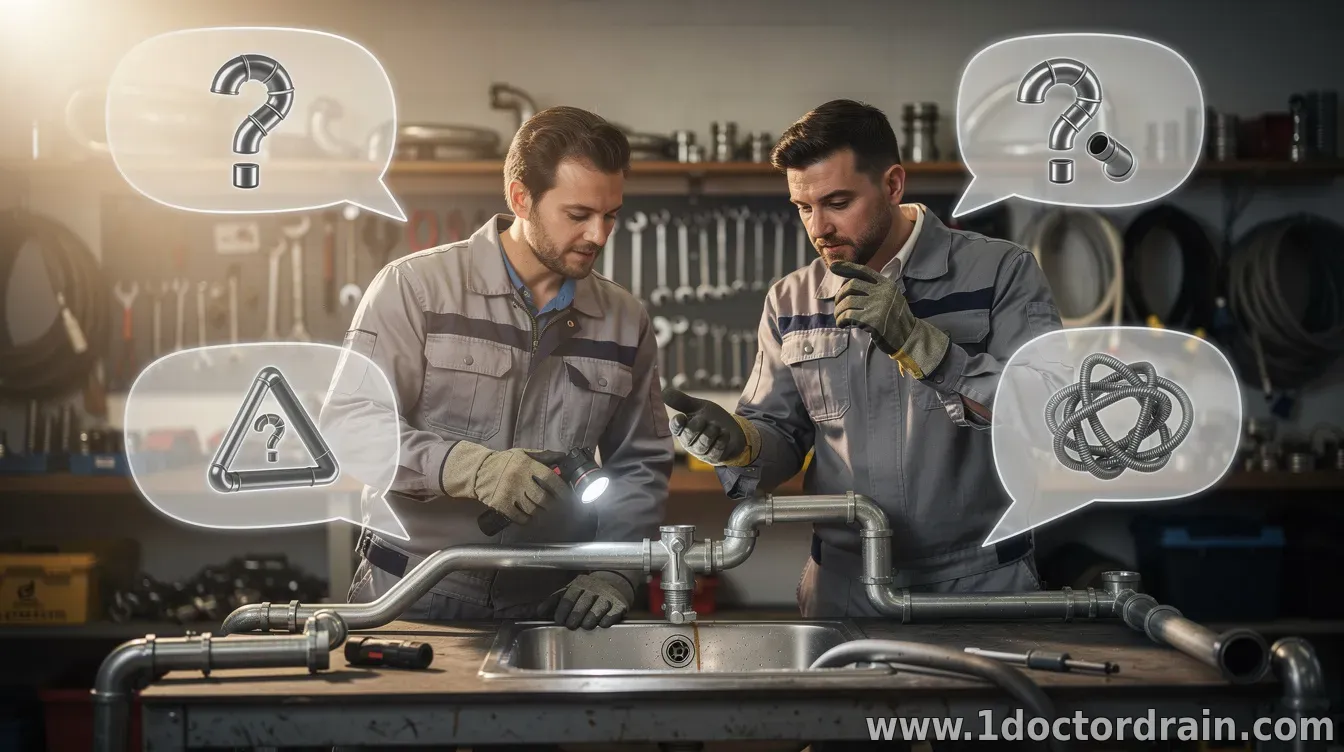
Drain Myths Plumbers Hear Every Week—and What’s True

 Drain Myths Plumbers Hear Every Week—and What’s True

Drain Myths Plumbers Hear Every Week—and What’s True


Every week, plumbers hear the same set of “surefire” fixes for slow drains and stubborn clogs. Some myths sound harmless, but many lead to repeat problems, costly repairs, or preventable pipe damage. Understanding what actually works can save time, money, and plumbing wear—and help you avoid making a minor issue much bigger.


While every plumbing system is different, the following myths are consistent across service calls. Consider them a reality check before you reach for the kettle, the chemicals, or the wrong items “because they usually work.”


Myth 1: Boiling water melts drain clogs


Boiling water can temporarily soften certain substances, but it often fails against real blockages like grease buildup, hair, soap scum, or hard debris. In some cases, rapid temperature changes can stress older pipes or fixtures. For stubborn clogs, plumbers typically recommend mechanical methods firs ... Read more »

Comments

Popular posts from this blog

Laundry Drain Clog: Causes, DIY Limits, and When to Call

  Laundry Drain Clog: Causes, DIY Limits, and When to Call A clogged laundry drain is one of those plumbing problems that escalates fast: water backs up during a cycle, clothes come out damp, and unpleasant smells can linger. While many blockages are fixable with simple tools and safe cleaning methods, some situations require a professional to prevent damage to plumbing or appliances.   Common causes of laundry drain clogs   Laundry clogs are usually caused by what goes down the drain—plus what gets dislodged over time. Common culprits include lint buildup, hair, and fabric fibers that collect in the washer’s drain hose, standpipe, or home drain line.   Other frequent contributors include detergent and softener residue (which can form sticky deposits), small objects like socks or stray items, and grease or grime tracked in from heavily soiled laundry. In some homes, older plumbing or improper venting can make clogs more likely and worsen slow drainage. &  .....

Drain Smell That Won’t Go Away: Causes and Fixes

  Drain Smell That Won’t Go Away: Causes and Fixes If you notice a drain smell that just won’t go away, the source is often closer than you think—frequently trapped odor behind plumbing fixtures, stagnant water in the line, or a venting problem that lets sewer gas escape into your home. While the smell itself is unpleasant, it can also be a useful clue: the “what” and “where” often narrow down the “why.” Below are the most common causes and the safest, most effective fixes homeowners can attempt before calling a plumber.   1) Dry P-trap or infrequent use   Many sinks, tubs, and floor drains have a U-shaped P-trap under the fixture. It holds a small amount of water that blocks sewer gases from rising up through the drain. If the water evaporates—common in bathrooms that aren’t used often, during extended vacations, or after a leak—or if the trap was installed incorrectly, odor can linger.   ...  Read more »

Why Drains Clog: Common Causes and What to Check

  Why Drains Clog: Common Causes and What to Check Drain problems can be caused by many different factors, and the underlying reason matters because the right solution depends on what’s actually blocking the flow. A slow drain today can turn into a full backup if the cause is ignored—especially when multiple fixtures share the same line.   One of the most frequent causes is a buildup of hair and soap residue. In showers and bathrooms, hair can form a mat that traps other materials, while soap scum and shampoo thicken the blockage over time. This often shows up as gurgling sounds or water draining more slowly than usual.   In kitchens, grease is a major culprit. Cooking oils and fatty food particles can cool inside pipes and stick to the interior surfaces, gradually narrowing the passage. Over time, even small amounts of grease—combined with food debris—can lead to persistent clogs and odors.   Another common factor is foreign objects and debris. I  ...  Rea...